Important people born in Álamos
________________________
Katherine supervises a student making a sketch of the church.
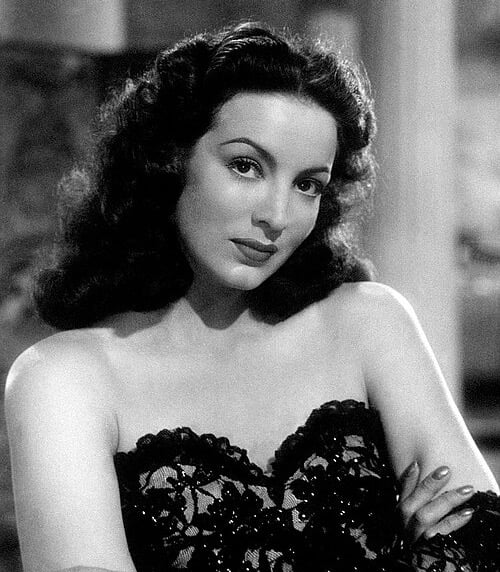
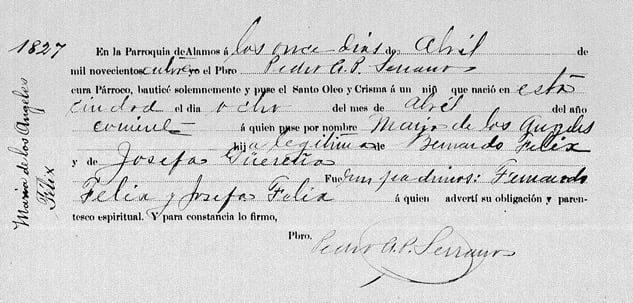
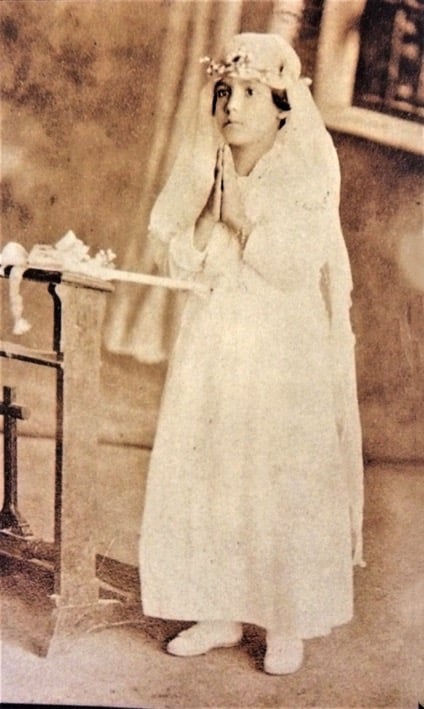
María Félix' baptismal certificate (above), her first communion (far right), and as she appeared in a 1947 studio portrait (right)
________________________
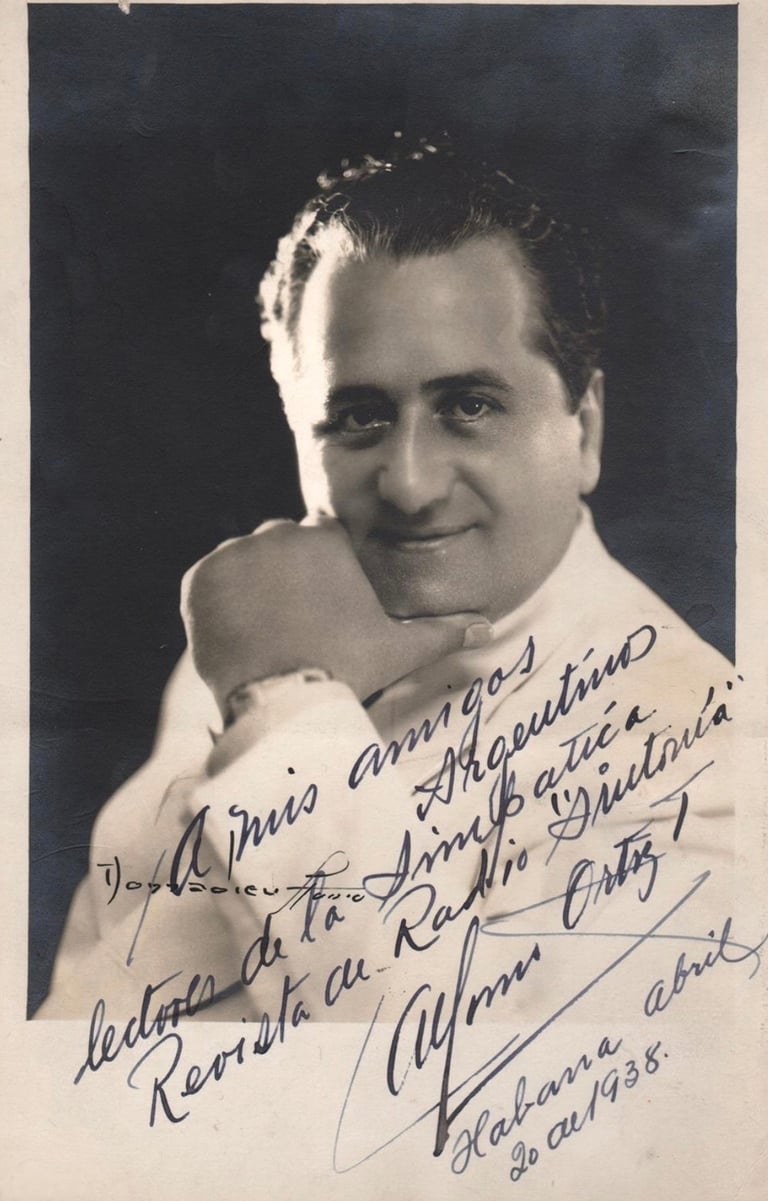
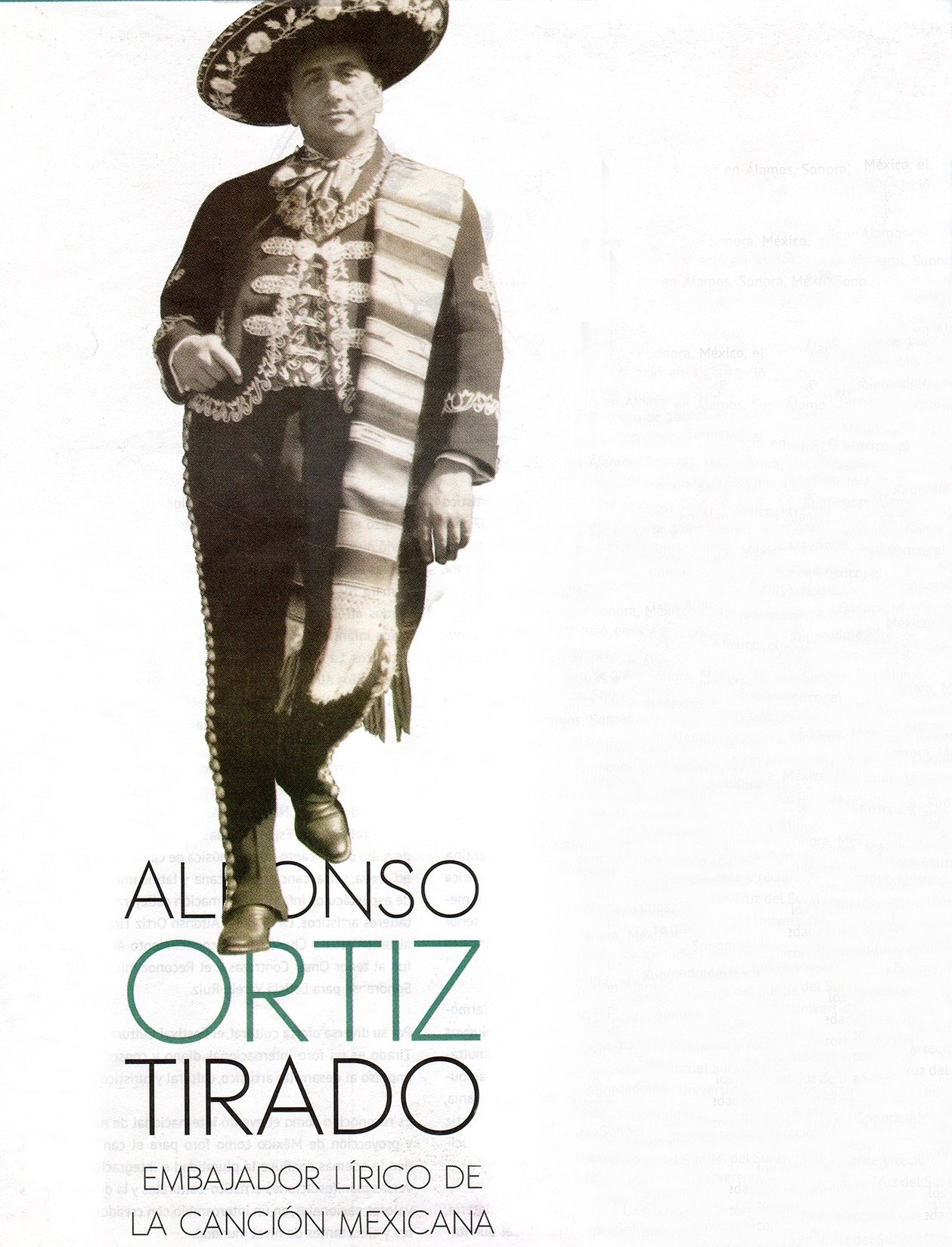
Dr. Alfonso Ortiz Tirado
The musical ability of Alfonso Ortiz Tirado was apparent at a young age, but he was torn between two passions: medicine and music. Born in Álamos January 24, 1893, he and his family left the “pueblo mágico” during his early years. Living in Mexico City, his studies centered both in the fields of science and music, and he was accepted into the National University’s School of Medicine—graduating in 1919 with a speciality in gynecology and general medicine. While serving his internship with Mercy Hospital in Denver, CO, he traveled to New York City to make his opera debut in a work by the French composer Jules Massanet. His vocal success led to roles in “Elixir de Amor” and “Madame Butterfly” and a successful career singing in the major opera houses of the world.
But he was first a physician. He was the primary doctor of artist Frida Kahlo, and he performed surgery on singer/composer Augustín Lara, the one-time husband of María Félix. As fame and wealth accumulated from his success in both music and medicine, he used his money and influence to establish a children’s hospital in Mexico City and later clinics in central America. He “made a difference” in the field of medicine and philanthropy, just as he did in the field of music. In 1960, at the age of 67, he passed away and was buried in Mexico City.
In 1984, on the anniversary of his birth (January 24), Álamos paid tribute to its native son with a one-day festival of music in the auditorium of the newly established Museo Costumbriste de Sonora. About 100 people attended that first event, with music provided by the local community; but the next year it grew larger, and soon invitations were sent to musicians across Sonora and Mexico. In 1989 the event moved to the Álamos City Hall, and by 1991 the event covered five days. The festival had become larger than anyone could have imagined!
The Festival Alfonso Ortiz Tirado has become a premier event for Álamos and Sonora, with musicians from Mexico, Latin America, the United States, and Europe performing in this eight-day event. More than 100,000 visitors travel to Álamos each January, and 2026 was the 41st consecutive year of FAOT.
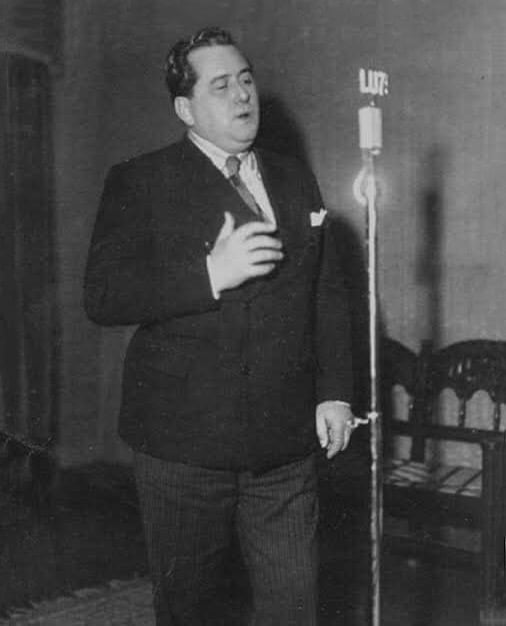
Top: Ortiz Tirado sings on Radio Station XEW, where he was featured in the 1930s and 1940s as the "Voice of Latin America."
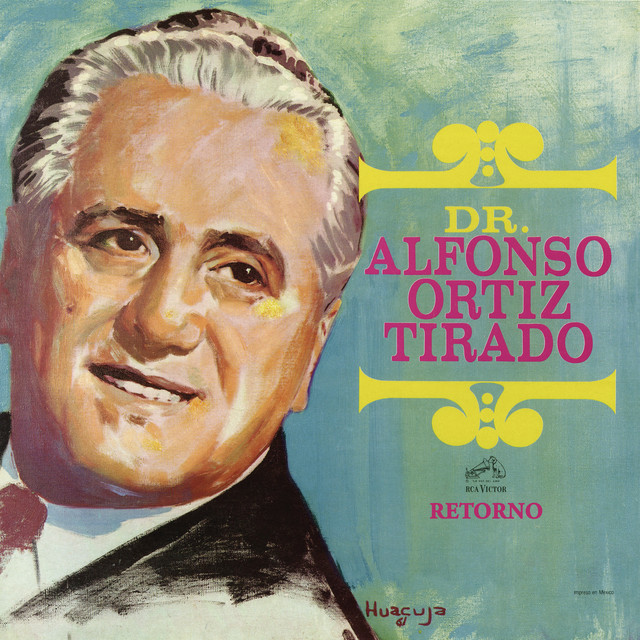
Middle: one of many album covers.
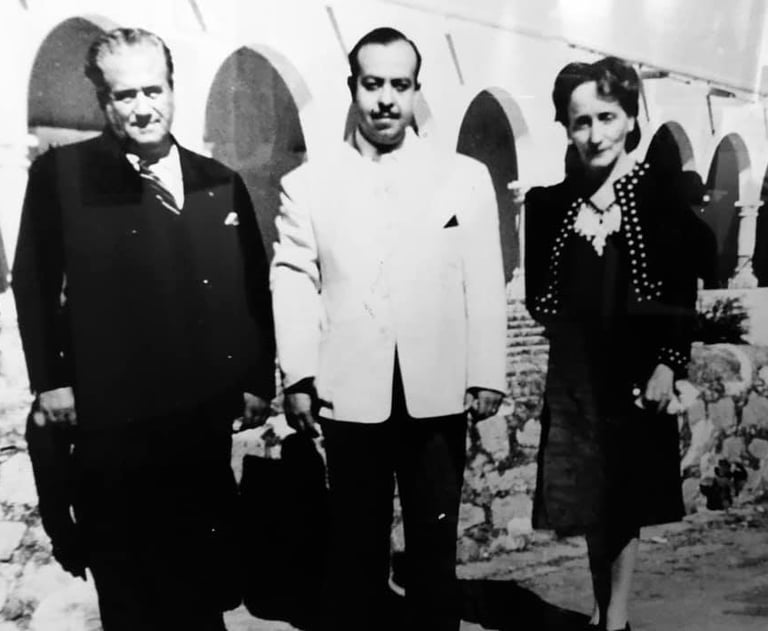
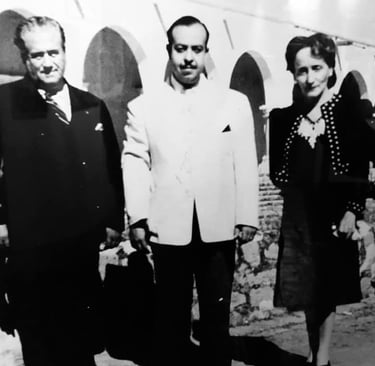
Bottom: Alfonso Ortiz Tirado is photographed at the plaza de Armas in what was probably his last visit to Álamos in 1944. In the center is musician José Sosa Chávez, and to the right is Sarah, Alfonso's sister, who was a celebrated singer in her own right.
________________________
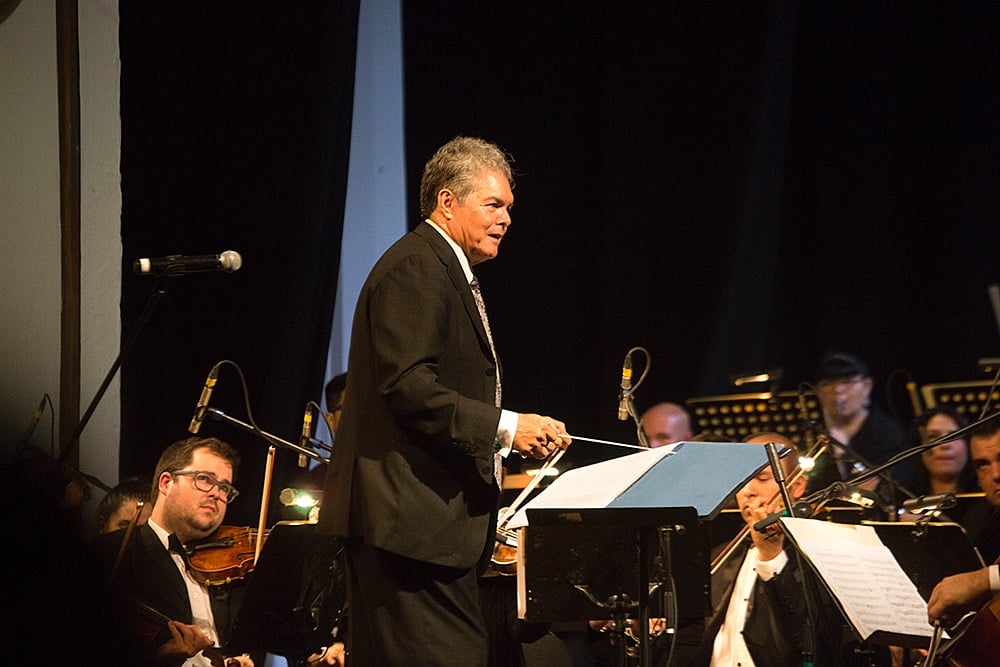
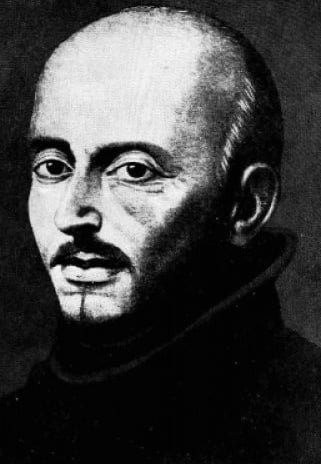
Arturo Márquez introduces "Cantata Sueños" with soloists and and the Orquesta Filarmónica de Sonora in 2023
________________________
________________________
María Félix
María Félix, one of the most famous stars of Mexican cinema, was born in the municipio of Álamos, baptized in the local church, and spent her early years on the ranch of her grandparents at Quiriego, on the outskirts of Álamos. While she didn't spend her childhood in Álamos, she visited this community several times over the years as an adult.
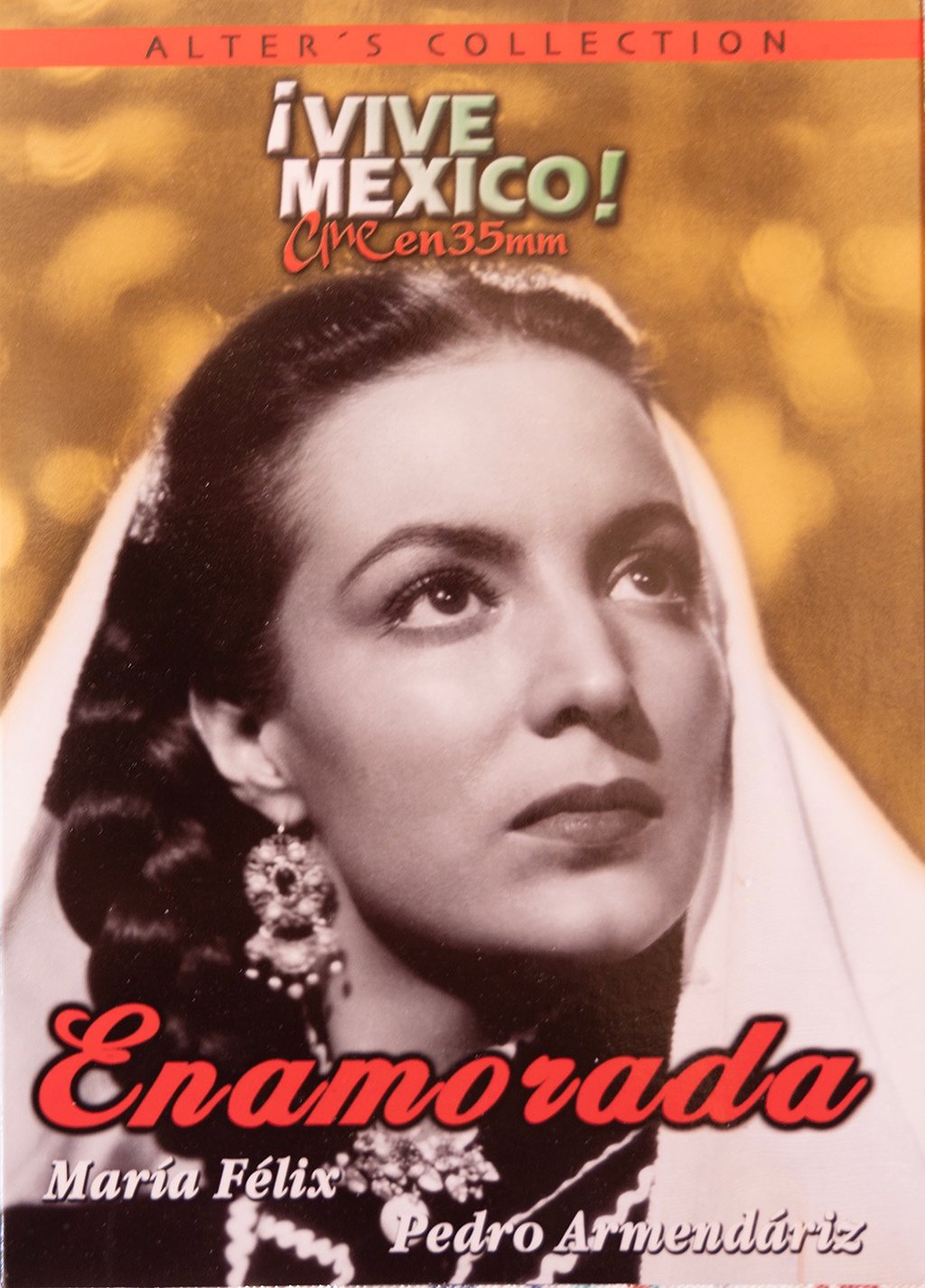
María de los Ángeles Félix Güereña was the ninth of 11 children, and her beauty became recognized after he family moved to Guadalajara and she became the “school queen.” She married at 17, began her movie career in Mexico City at 18, and had her only child, Enrique, at 20. In a career spanning more than 30 years, she was a seductive leading lady in many of the most famous films produced in Mexico: “La Mujer sin Alma (1944). “La Devoradora” (1946), and “Enamorada (1948), among many others.
She made movies in France and Spain in addition to Mexico, and Hollywood wanted her as well. She was offered roles in the “Road to” movies with Bob Hope and Bing Crosby, but these roles went to Dolores del Rio when "La Doña" decided not to make movies in English. Her last film was “La Generala” in 1966, although she worked in television in the 1970s. Her son died in 1996, but María Félix reached the age of 88 before passing away in 2002.
There has been controversy about whether she was actually born in the pueblo of Álamos since we have baptismal records but no birth certificate, yet Álamos cronista Juan Carlos Holguín Balderrama makes a strong case for a pueblo mágico birth in his essay ”María Félix: ¿Álamos o Quiriego?” which is incluided (both in English and Spanish) as Addendum #1) later on this page.
s with
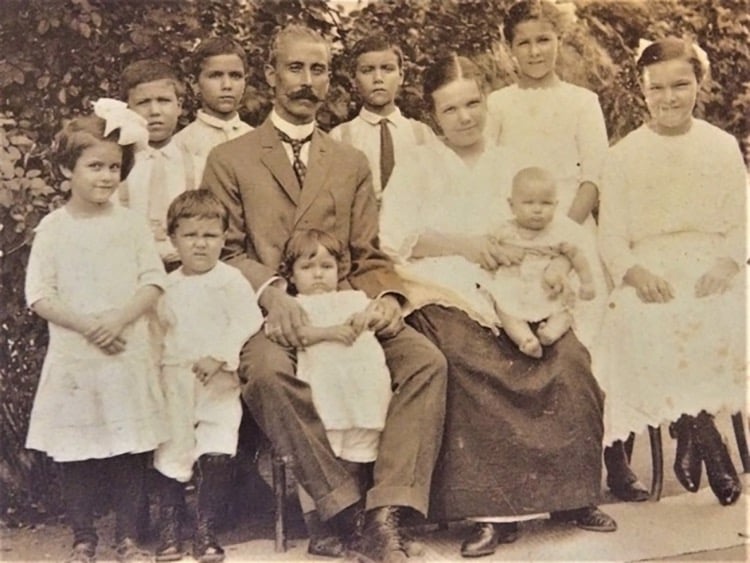
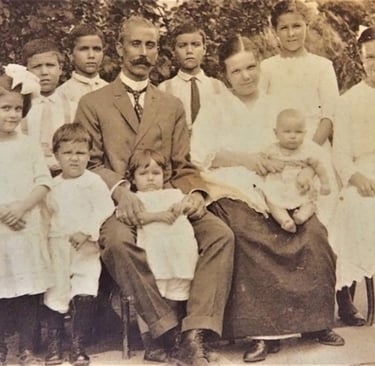
In this Félix Güereña family portrait, María is directly in front of her father
s with
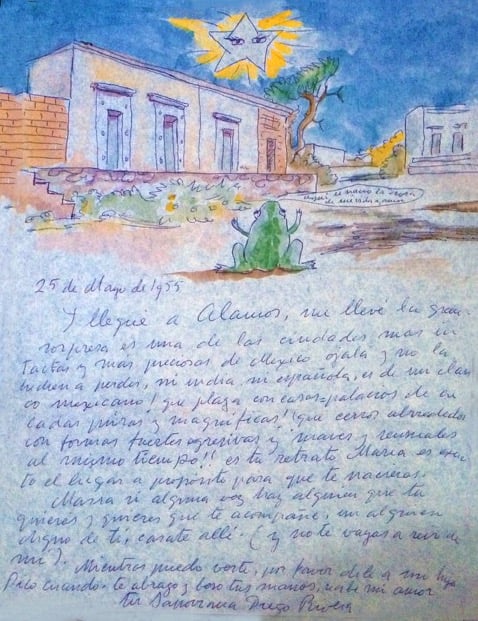
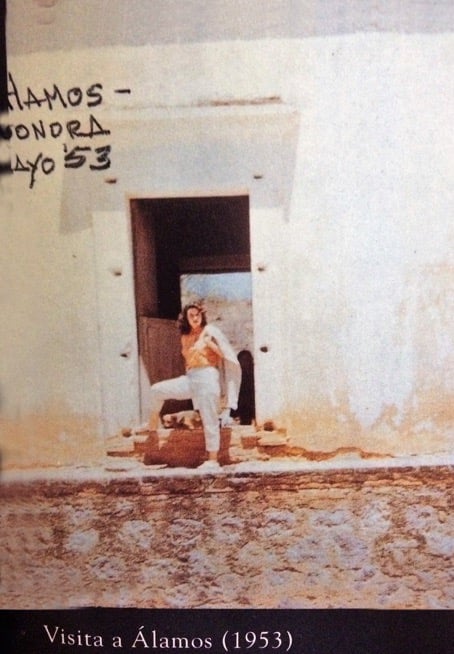
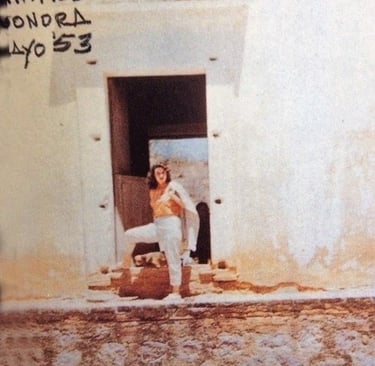
In 1955 artist Diego Rivera visited Álamos, sent this letter to María Félix, and sketched her house at it looked at that time. Two years earlier María posed at the front of that house.
Arturo Márquez
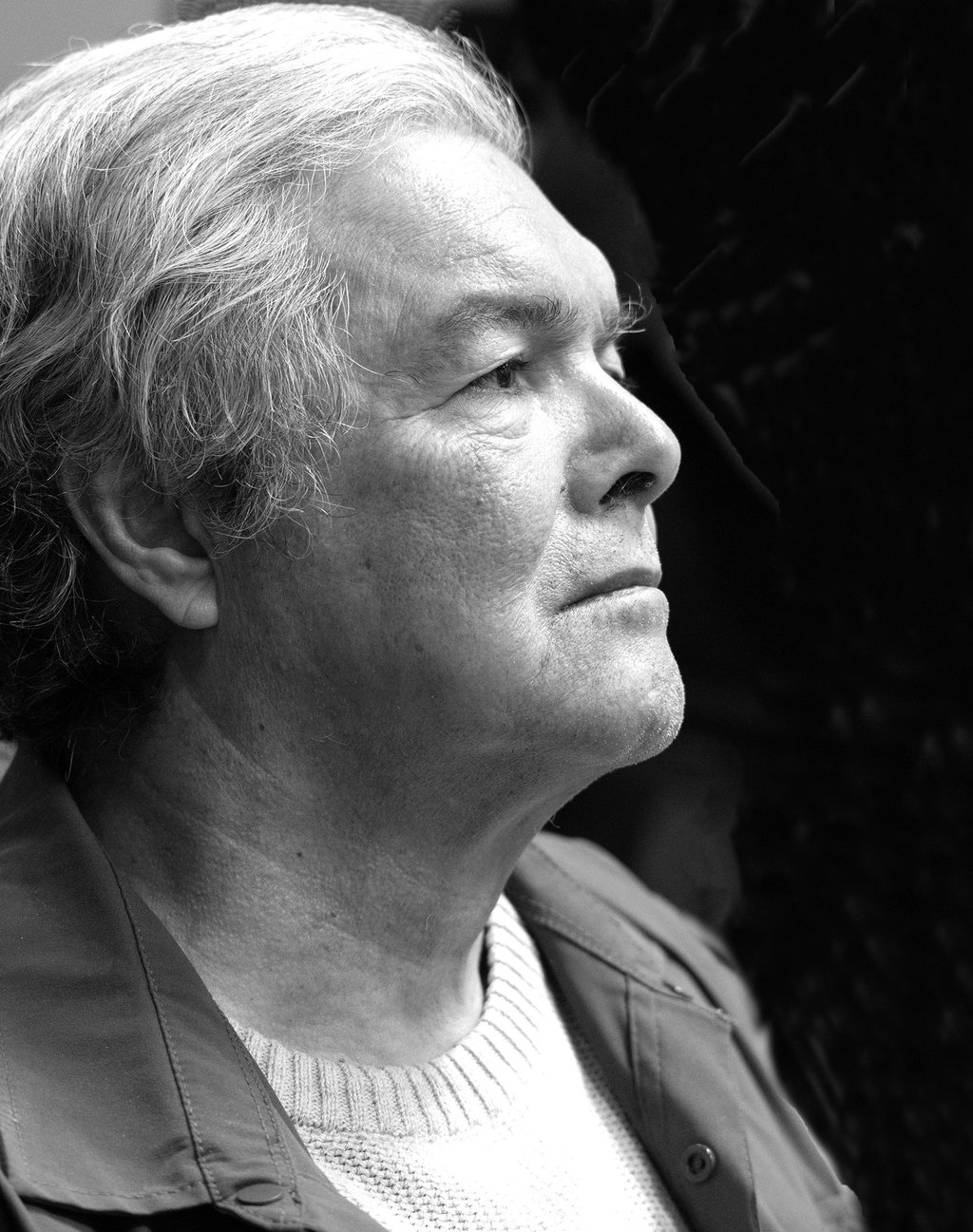
Márquez was born in Álamos in 1950, the first born of nine children to Arturo Márquez and Aurora Navarro. His father was a mariachi musician in Mexico and later in Los Angeles. His paternal grandfather was a Mexican folk musician in Sonora and Chihuahua, which exposed young Arturo to several musical styles in his childhood. He spent his middle and high school years in California, then returned to Mexico to enter the Conservatory of Music and the Institute of Fine Arts in Mexico City. He studied in Paris after receiving a scholarship from the French government, and with a Fulbright scholarship he obtained a MFA in composition fron the California Institute of the Arts, Valencia.
Márquez began composing at Age 16, but was largely unknown outside his native country until he was introduced to the world of Latin ballroom dancing—which led to his most famous compositions, the Danzones. Danzones are based on the music of the Veracruz region of Mexico, and Danzon No. 2 has gained such international attention it is dubbed Mexico's "second national anthem," being played globally with orchestra tours around the Americas and Europe.
Arturo regularly returns to Álamos to perform his compositions and tutor promising young musicians. He was awarded the National Prize of Arts and Sciences in Mexico in 2009, and he has performed with the Orquesta Filarmónica de Sonora at the Festival Alfonso Ortiz Tirado numerous times—most recently when his "Cantata Sueños" was the signature performance of the festival in 2023..
Artists of Álamos
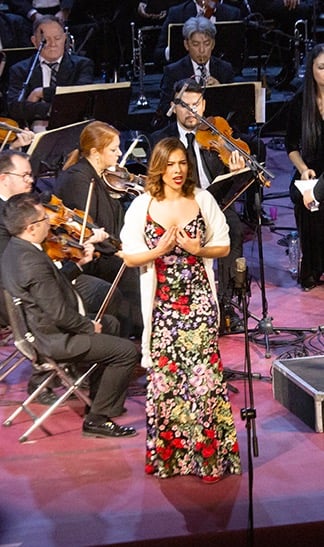
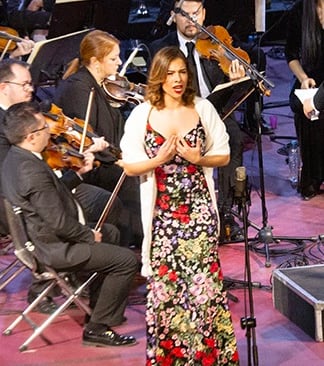
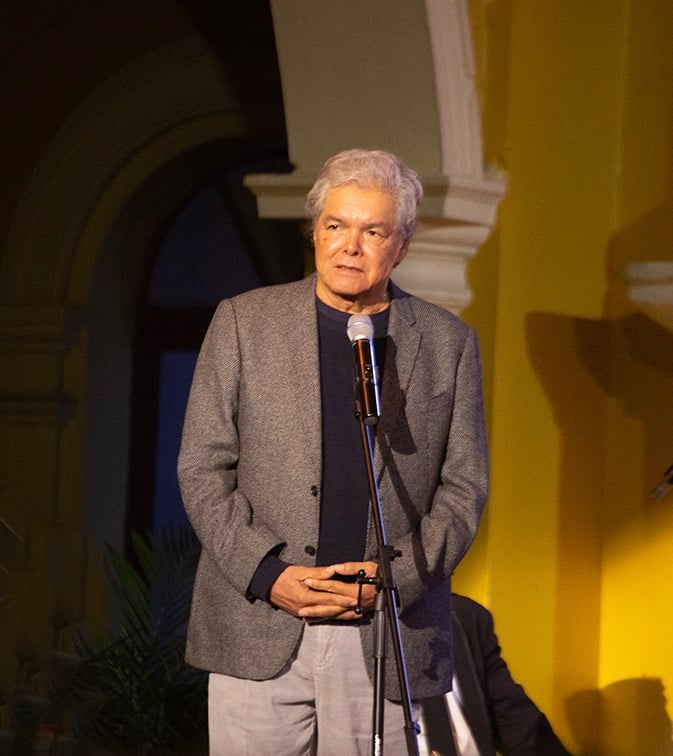
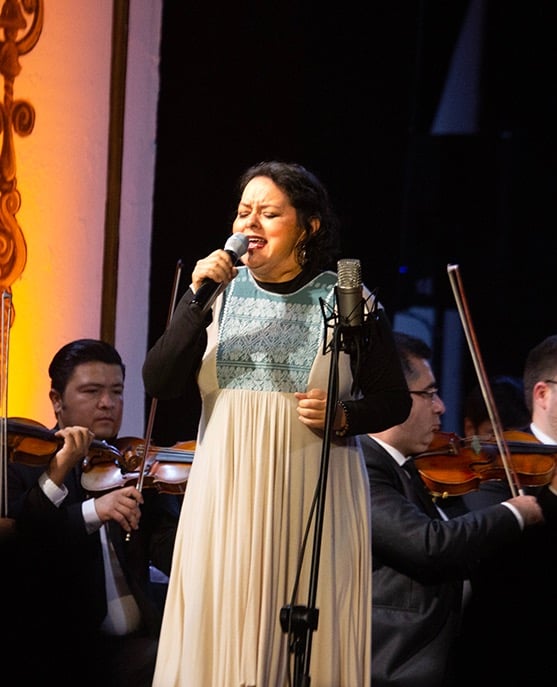
FAOT concert, 2017
Álamos leaders
I
I
I
I
I
I
I
José Rafael Campoy y Gastélum (1732-1777) - A member of the Society of Jesus, he held professorships in Philosophy, Literature, and Theology at the San Francisco Novitiate College in Tepotzotlán (near Mexico City). His academic career was cut short in 1767 by the expulsion of the Jesuits from New Spain, and he passed away at the age of 54 as an Italian exile. Although none of his written works have survived, he is regarded as a guiding figure who revolutionized the Society of Jesus and sought to provide Mexican youth with the opportunity to engage with modern philosophy.
José Rafael Campoy y Gastélum
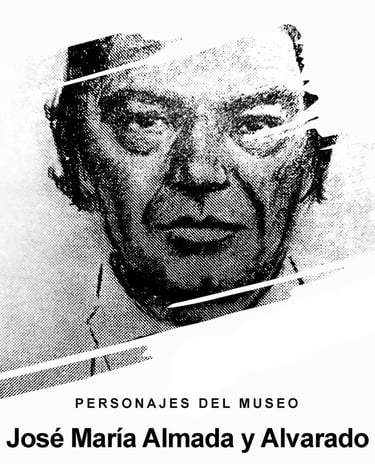
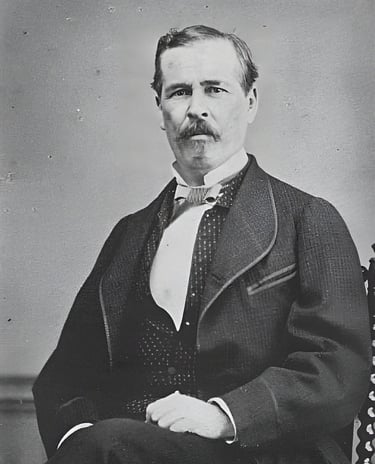
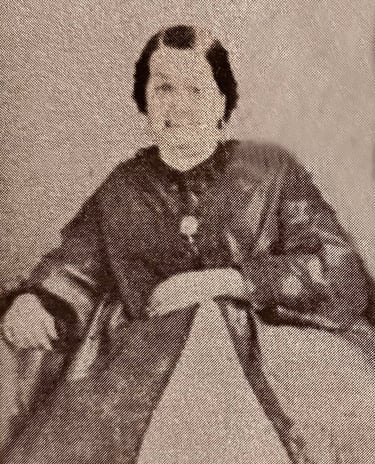
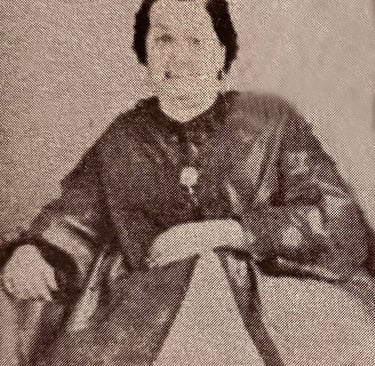
José María Almada y Alvarado (1791-1866) - The head of the Almada family, he was a successful mining entrepreneur and governor of Occidente state during 1828-1829. As governor, one of his notable achievements was the promulgation of the significant "Law for the Distribution of Lands to Indigenous Peoples, protecting indigenous communities from land usurpation by ensuring the restitution or replacement of lands seized illegally. His wealth allowed for silver chandeliers and oriental carpets in his colonial house, which remains of the Plaza de Armas in Álamos..
________________________
Félix María Zuloaga Trillo (1813-1898) - A military general and a Conservative party leader in the War of Reform (1850s), Zuloaga served as conservative president of Mexico in opposition to the constitutional president, Benito Juárez, of the Liberal Party. Even though Juárez had the vote of the citizenry, Zuloaga's forces captured Mexico City and he assumed the presidency. He was later stripped of power and overthrown by his party—then exiled to Cuba—but later returned to Mexico City. He was born in the Tacubaya barrio of Álamos, but he left after his elementary and secondary education studies.
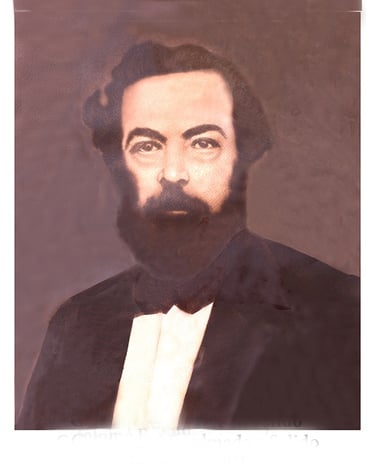
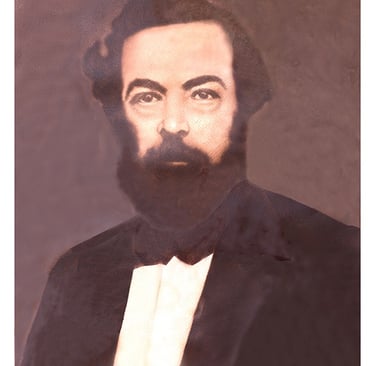
Justina Almada de Urrea (1815-1892) - She was known as the "Mother of the poor" for her many acts of charity in Álamos, establishing an organization to help those in need (Monte de Piedad) and founded, with her brother, the Hospital de Jesús—a large medical facility in Álamos. Widowed in middle age, she used the great wealth from her husband and the Almada estate to build the Seminary of Sonora and undertake charitable works from Álamos to Chínipas (Chihuahua) where her family owned mines and ore processing estates. She was considered to be the wealthiest woman in Sonora.
Félix María Zuloaga Trillo
Justina Almada de Urrea
________________________
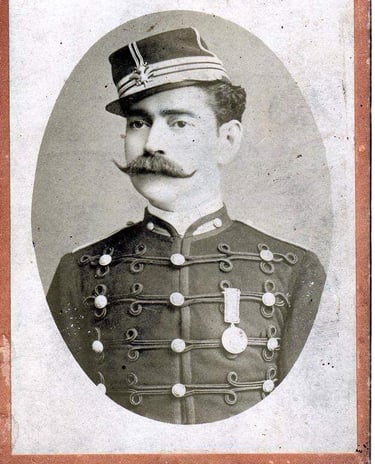
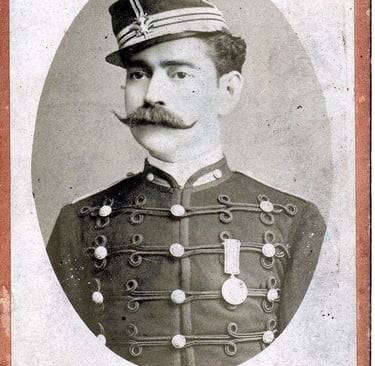
Bartolomé E. Almada (1817-1872) - He became the presidente (mayor) of Álamos in 1857, but later became a national politician by serving three times in the national Congress. He bought more than 200 acres of land on the out-skirts of Álamos and built the house known today as "Las Galicias," but he is probably best known for the diary he kept from 1859-1863. It was a turbulent time in Mexico, and he wrote about the War of Reform, but the diary is most important through the passages written about his life in Álamos—and the daily occurrences in this community.
Crispín de S. Palomares (1834-1897) - Crispín de S. Palomares was born here and educated at the Liceo de Sonora. He enlisted in the National Guard in 1856 and played a significant role first in Sinaloa and later in the Sierra de Puebla region, fighting against the French in the battle of San Lorenzo in 1863. For the liberal cause he fought with General Antonio Rosales, and with General Ángel Martínez he defeated the Imperialists in Sonora. He commanded the 1st Military Zone and worked to subdue Yaqui rebels, and later published his works of poetry. He died in Mexico City in a streetcar accident.
Bartolomé E. Almada
Crispín de S. Palomares
________________________
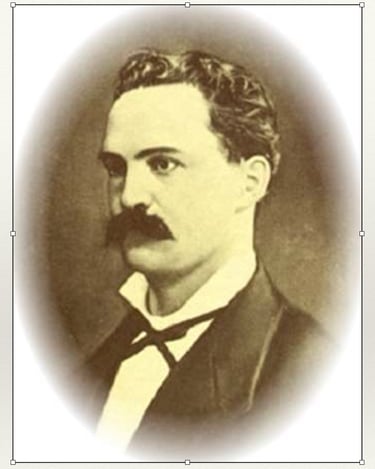
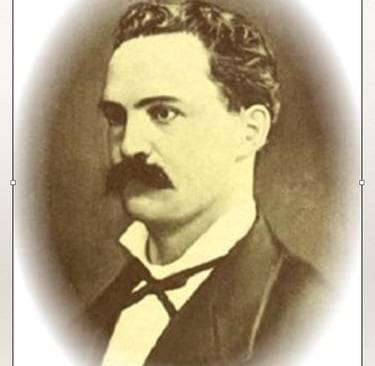
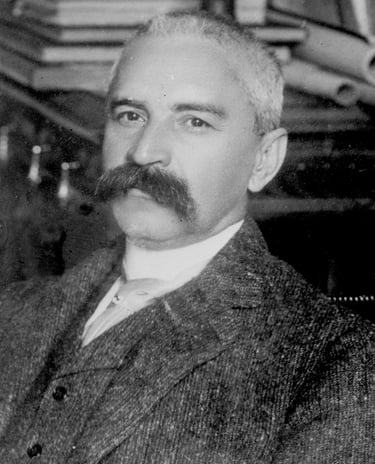
Juan J. Navarro (1841-1934) Born in Álamos, Juan Navarro served in the Mexican Army between 1858 and 1914, fighting in the War of Reform, the Second French Intervention in Mexico, and the Mexican Revolution. He enlisted as a soldier in the state national guard in 1858, fought against the conservatives in Sinaloa, and participated in the entire campaign against the French intervention. He was promoted to second lieutenant in the battle of San Pedro, and served as Chief of military operations in Jalisco after being promoted to lieutenant colonel.
In 1910, he fought for the Mexican government during the Revolution. He was commander of the federal forces in Ciudad Juárez, which eventually fell to the revolutionary forces commanded by Poncho Villa and Pascual Orozco. He was imprisoned and nearly executed, but President Madero intervened. During the revolution he also served as a senator for the state of Oaxaca. He retired in 1914 following the dissolution of the federal Army due to the constitutionalists' victory, and died in Mexico City, at Age 92.
Severiano Talamante (1841-1911) was a decorated soldier who fought in the Second French Intervention in Mexico, the Yaqui wars, and in the Mexican Revolution––supporting Francisco Madero. The son of a decorated general, Talamante fought against the troops of Porfírio Díaz in Sonora during the early years of the Mexican revolution. Together with his father and brother, he launched an attack on the city of Navojoa; after their assault was repelled, they fled toward the Sierra de Sonora, heading for the town of Sahuaripa. There, they were taken prisoner and executed by firing squad on January 29, 1911, at the hands of federal forces under the command of Francisco Chiapa.
In honor of his brother, his father, and himself, a political ticket was named "Mártires de Sahuaripa" (Martyrs of Sahuaripa), which nominated Álvaro Obregón for the municipal presidency of Huatabampo. Obregón later became the president of Mexico. The city of Hermosillo today features a street named after Severiano M. Talamante
Juan J. Navarro
Severiano Talamante
________________________
Carlos Rodrigo Ortiz Retes (1851-1902) was a politician in the Liberal Party and the governor of Sonora between 1881 and 1883, being the youngest person to be elected to that office at the age of 29. During his time as governor, the design for the Álamos prison on Guadalupe hill was approved, but Ortiz resigned before construction could begin. A new design was approved in 1888—and the jail was constructed a year later. The reason for his resignation has never been fully revealed, but he disappeared from political life after 1883. He is the paternal grandfather of musician and doctor Alfonso Ortiz Tirado.
Ramón Corral Verdugo (1854 – 1912) served as the vice president of Mexico under President Porfirio Díaz from 1904 until the resignations of both the president and vice president in May 1911, due to mounting pressure from Liberal forces during the Mexican Revolution. He was born on a ranch near Álamos and served two terms as Sonora's governor—1887-1891, and 1895-1899. It was during his term that the Álamos City Hall–-still used today—was built. As a young man he gained political recognition by publishing two newspapers (El Fantasma and La Voz de Álamos) to protest reforms from then- governor Ignacio Pesqueira.
Carlos Rodrigo Ortiz Retes
Ramón Corral Verdugo
________________________
Tomás Robinson Bours Goyeneche (1858-1933) was a merchant-banker, mine owner, rancher, and agriculturalist. He was a major figure in the construction of irrigation works in the Mayo Valley. Although born in Alamos, he was educated in California where his family had commercial interests. On the death of his father in 1889, he took over the family banking and agricultural businesses—located in the house which is now El Centro Comunitario Nelita Bours. While the bank had international business, it also made loans to assist small-scale farmers and ranchers. He was a prominent member of the Álamos community.
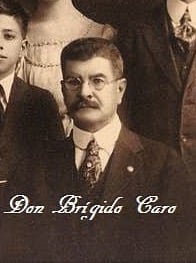
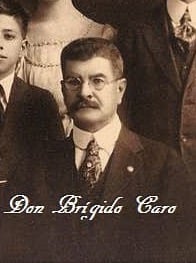
Brígido Caro (1858-1940) was a writer and dramatist who is remembered above all as one who, on the margins and clandestinely, fought against the rulers he considered enemies of the poor. In 1893 he began his adventure of journalism with the 1st issue of “El Sonorense”, a weekly newspaper (published in Álamos) which defended the Porfiriato. The newspaper lasted only two years, but in 1911 he published “La Evolución”, which analyzed the events of the Mexican Revolution. For these journalistic contributions, Brígido Caro became an exemplary figure in the history of journalism both in Álamos and the state of Sonora.
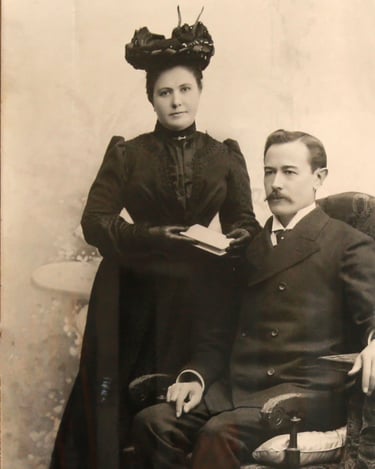
Tomás Robinson Bours Goyeneche
Brígido Caro
________________________
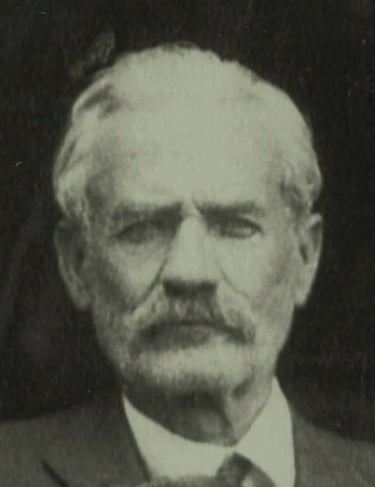
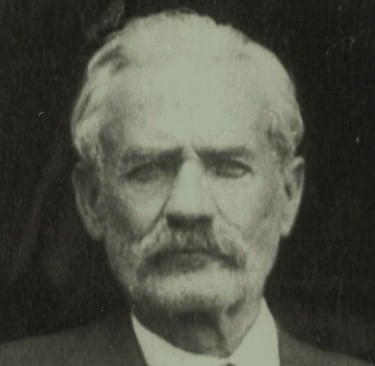
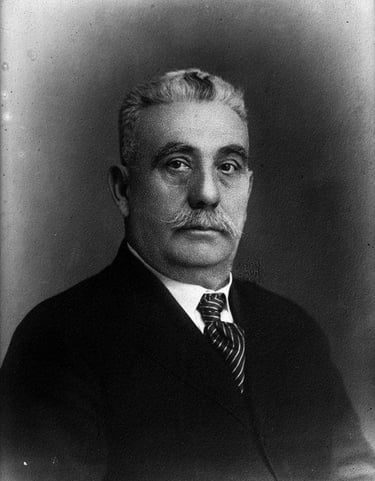
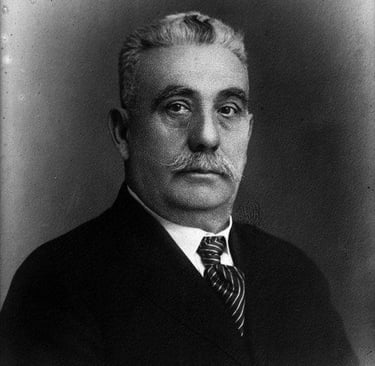
Felipe Salido Zayas (1863-1939) was a distinguished military engineer and an outstanding teacher and politician. He carried out engineering studies and improvements along the Mayo River and constructed many buildings in Álamos and Hermosillo. His parents were Francisco Salido Obregón and Carmen Zayas, prominent citizens of Álamos, and his eldest brother, Francisco A. Salido, was the founder of Nacional Financiera and also an important figure.
Ramón Ross (1864-1934) was of national prominence and took part in the constituent convention which drafted the Constitution of 1917. He was later governor of the Federal District of Mexico and Secretary of Comunications and Public Works in the cabinet of President Elías Calles. Although he was born in Álamos, he grew up in Huatabampo and held a political position in Qurétaro before serving as the Director of public charity for Mexico City.
Felipe Salido Zayas
Ramón Ross
________________________
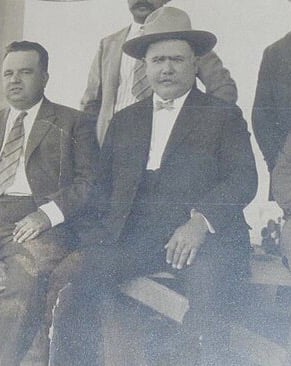
General Fausto Topete (1888-1952 was born in Álamos, Sonora. Around 1913, he joined the Constitutionalist movement and the armed struggle under the command of General Benjamín Hill. He participated in many of the campaigns conducted by this general, for which he rapidly rose to the rank of colonel. Later, he was assigned the post of military commander of his birthplace, Álamos. In 1920 he was promoted to brigadier general and participated actively against the De la Huerta Rebellion between 1923 and 1924. He was also a cousin of Everardo Topete Arriaga, Governor of Jalisco from 1935 to 1939.
General Fausto Topete
Alejo Bay Valenzuela (1891-1952) figured in numerous federal issues in Sonora. Bay was two times federal deputy, senator of the republic, and governor of Sonora during the Constitutional period from 1923 to 1927. He was good friends with President Álvaro Obregón, and in 1920he joined a group led by generals Jose Gonzalo Escobar and Fausto Topete, against President Plutarco Elias Calles for belittling the accomplishments of president Obregón. Even though he was severely rebuked, he remained in government and served as treasurer of Sonora under the direction of governor Anselmo Macías.
Alejo Bay Valenzuela
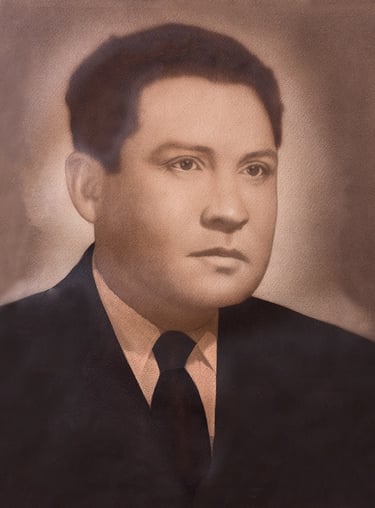
Librado Abitia Garcés
Manuel Corbalá Acuña
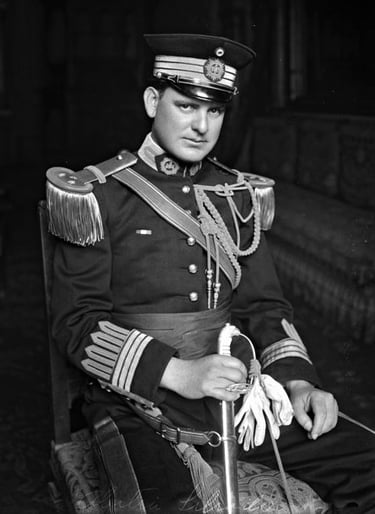
Librado Abitia Garcés (1895-1982) was a soldier and politician who participated in the Mexican Revolution and later became the chief of staff of Mexican president Álvaro Obregón. He was born in Minas Nuevas, and at Age 19 he was appointed second lieutenant in the Constitutionalist Army, serving under General Álvaro Obregón and following him to Mexico City when he was elected president. With Obregón's support he was elected as a federal deputy for the state of Quintana Roo in 1928, and in the 1940s he attained the rank of brigadier general. He passed away at the age of 87.
Manuel Corbalá Acuña (1907-1983) was a trade unionist, politician, and writer, serving his hometown as its presidente first in 1929 andd later 1935. He was active in the Partido Nacional Revolucionario (PNR) founded by Lázaro Cárdenas in 1938, and promoted laws to benefit laborers rather than the ruling elite. In addition to his positions in politics, he was a writer and the author of biographies and works on Sonoran history. His most notable titles include Sonora y sus Constituciones, Rodolfo Elías Calles: perfiles de un sonorense, and Álamos de Sonora.
________________________
Álamos Bandits
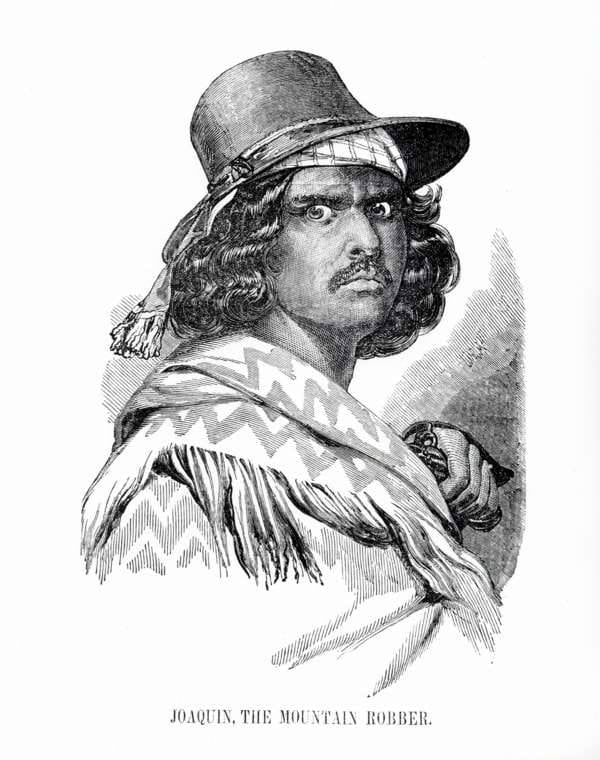
Historian Francisco R. Almada tells us that Joaquín Murrieta was born in the ranch of El Salado, south of the municipality of Alamos in the year 1809, and baptized In the Alamos parish church February 8, 1810. The baptismal record notes that he is of "Spanish quality" the parents are “neighbors of this jurisdiction”, indicating they were not inhabitants of the Real de los Alamos but from its region—where El Salado was located.
Almada and historian Manuel Corbalá were convinced the famous bandit was born near Álamos and baptized here, but there are other theories. One version is that his birth occurred in some municipality in northern Sonora, particularly Trenches, although this has never been confirmed.
His story began when he went to California in 1849, attracted by the gold rush, in the company of his wife (who is also supposed to be from Álamos), María del Carmen Félix, who was recognized for her great beauty. Corbalá states that she was alone in the house her husband had built her when she was accosted and raped by the local Sheriff. Joaquin was enraged and killed the sheriff, thus becoming an outlaw. Because of rape, Corbalá writes that Juaquín developed a hatred toward all sheriffs and officers of the law.
Unable to work, Murrieta formed a gang of assailants who were responsible, according to the chronicles, for robberies, murders and assaults in California—enabling them to accumulate more than $100,000 in gold, but also left them responsible for the murder of about 20 people. At the same time Murrieta was giving to those in need, especially Mexicans living in California—whom he never attacked—and earned the nickname of the "Mexican Robin Hood." Hence he achieved the love and admiration of many, which inspired stories from which the famous legend of “El Zorro” would be born.
In 1853, the Californian government created a rural police called the "Rangers" under the command of Captain Harry Love, whose purpose was to arrest bandits—especially the ringleader Murrieta. In July of that same year, a group of these Rangers had a confrontation with some Mexican bandits, leaving two of the Mexicans dead. The
Joaquín Murrieta
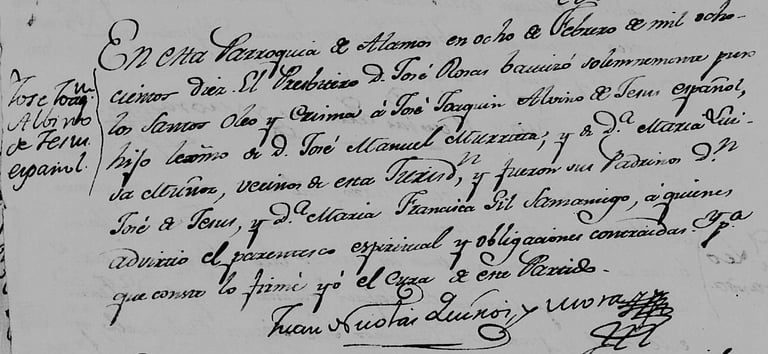
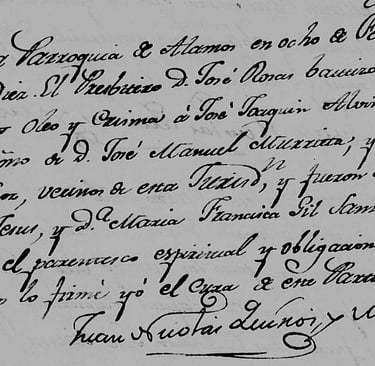
The baptismal certificate of Joaquín Murrieta
Rangers claimed that one of them was Joaquín Murrieta. To check, they ripped off his head and put it in a jar with brandy, then took it to San Francisco and put it on display across much of California. There were people who identified the head as Murrieta, but others disagreed, which gave rise to various "sightings" of the bandit on the roads and mountains of the region. With this, and with the belief that the rangers invented everything to collect the reward, the legend and fame of Joaquín Murrieta grew. The alleged bandit head was lost in the San Francisco earthquake and subsequent fire in 1906.
The first text related to his life was the novel "The Life and Adventures of Joaquin Murrieta, the Celebrated California Bandit",
published in 1854 by the journalist John Rollin Ridge. This book contributed much to his fame, naming him then as "El Patrio", and viewing him as a sympathic figure at the time when Mexico lost more than half of its territory to the United States in 1847, which led to a restructuring of the area and the discrimination against Mexicans.
Years later he was written several corridos and even, in 1908, the famous Mexican writer and journalist Irineo Paz wrote: "Life and Adventures of the most famous Sonoran bandit Joaquin Murieta." Finally, Joaquín Murrieta would inspire the writer Johnston McCulley to create in 1919 the character of "The Fox", which has been taken several times to the cinema.
Source: Cronista Juan Carlos Holguín Balderrama
Over the years Álamos and Quiriego have disputed the honor of being the birthplace of one of the most important and beautiful stars of the national cinema: María Félix. To begin with, this type of dispute is not exclusive to our city, because with other cities we have dual claims to people less famous. Two examples are Joaquín Murrieta, known as “El Patrio” and who gave rise to the legend of “El Zorro,” and the Jesuit José Rafael Campoy y Gastélum, one of the wisest men in New Spain. The first is disputed by towns such as San Rafael del Alamito and Trincheras, in Sonora, and even Chile, the distant South American country, claims him as a son. On the other hand, Father Campoy has also been claimed by the city of Durango. In both cases the doubt persists, more for Murrieta than for Campoy, because in both cases there are no documents about their birth—neither in Álamos nor in the other places, and this is where the difference with María Félix lies: there is proof of her birth in “la Ciudad de los Portales.”
Born April 8, 1914, she was baptized in the parish of Álamos just three days later, according to the baptismal certificate which says: “In the parish of Álamos on the 11th day of April, 1914, I, Pedro A. Serrano, parish priest, I solemnly baptized and placed the holy oil and “chrisma” on a girl who was born in this city on the eighth day of the month of April of the current year, whom I named María de los Ángeles, the legitimate daughter of Bernardo Félix and Josefa Güereña. Her godparents were Fernando Félix and Josefa Félix, to whom I instructed of their obligation and spiritual kinship.” Why would the parents, if she had been born in Quiriego, would they have taken the newborn to Álamos three days after her birth to be baptized? The fact that the godparents were both residents of Quiriego rules out the possibility of a transfer because the godparents lived in Álamos. On what basis can those who claim she was born in Quiriego have when the baptismal record says that she was “born in this city?”
We must also not forget that, in the customs of the time, women who had recently given birth underwent the famous “quarantine” or “diet” (under the official name “puerperium),” a practice that consisted of having the woman under strict care, away as far as possible from external factors that could undermine her health—such as efforts, movement, heavy meals, bathing, and, of course, travel. So why would they make the long journey between Quiriego and Álamos? Also, the road at that time was known as “horseshoe,” and a trip could only be made on horseback or in carriages, taking hours to arrive. Many will argue that they could have gone by rail, but the closest train station to Quiriego was 40 kilometers away and there was only one daily run when the Yaqui uprisings the the revolutionary meetings allowed it. As we can see, although it is not impossible that she was born in Quiriego and transferred to Álamos, it is an absurd and otherwise improbable assumption. It has also been said that she was transferred to Álamos because there was no civil registry in Quiriego, which is false, since the civil registry file of that municipality began in the 1880s.
In addition, María always said that she had been born in Álamos. Her autobiography, edited by Clío, makes mention of her “Childhood in Álamos,” as the first chapter is titled, and in repeated interviews she let it stand, as the one made by Ricardo Rocha in 1996 when she said: “I have the disease of silver. In Álamos, Sonora, a mining city where I was born, my grandparents said that Mexicans have the disease of silver and it is true; in my case (ugh!) it’s clinical!”
On another occasion with the same journalist who asked if she could have been born anywhere, she replied: “No, no…I must have been born in Sonora, in my land of Álamos with my mountains, with my air, a place I believe where beauty was born.”
Although she never ignored her home town, she did not adore it, and the “alamenses,” unfortunately, have never forgiven her. Here in Álamos we have this incarnated idea that all, our own and strangers, native or visitors, should love and fall in love with our city, and that’s not right. As an “alamense” I, of course, love my people, but that does mean that everyone should think the same way. As the saying goes, “everyone talks as they did at the fair,” and she did not speak of Álamos well, nor did she speak of it badly—she did not love or hate Álamos but rather was indifferent, since her memories were vague and scarce. However, and although she didn’t promote Álamos, thanks to the international fame the actress enjoyed, Álamos had a place on the map, was rediscovered, and it was always noted in books and magazines with stories about the diva of national cinema.
On at least two occasions “La Doña” visited Álamos after her success on the big screen, one fully documented in May, 1953, and another in the 1960s when, they say, she came to buy an ancient, enormous, and beautiful tableware set from Adolfo Bley who, they say, refused to sell it. Apparently she never returned, although she had made a cash donation years ago, along with Dr. Ortiz Tirado, to raise the walls of the municipal cemetery. They say that when she received the letter requesting the donation from a lady named Palomares, who had apparently known in childhood, María commented: “leave the dead in peace, if those inside cannot leave and those of us outside do not want to enter.”
To close, I would like to transcribe verbatim a letter that Diego Rivera wrote to María during the visit that the famous painter made to Álamos, specifically to know the place where the Diva was born.
Mayo, 1955
And I arrived in Álamos, and I was surprised to see one of the most intact and most beautiful cities in Mexico, neither Indian nor Spanish but classic Mexican which hopefully will not be spoiled. What a plaza with houses—palaces of pure and magnificent arcades! The surrounding hills are strongly aggressive and soft and sensual at the same time. It is your portrait, María—precisely the place you were destined to be born. María, if there is ever someone you want, and you want me to accompany you, someone worthy of you, marry him there (and do not laugh at me)! Please tell my daughter Pilo when I can see you again. I hug you and kiss your hands, and please receive my love.
Your frog toad,
Diego Rivera
A través de los años Álamos y Quiriego se han disputado el honor de ser el lugar de nacimiento de una de las más importantes y bellas estrellas del cine nacional: María Félix. Para empezar, este tipo de disputa no es novedosa para nuestra ciudad, pues ya otros personajes, menos famosos sí, le han sido “peleados”; así, tenemos a Joaquín Murrieta, conocido como “El patrio” y quien dio origen a la leyenda de “El Zorro”, y al jesuita José Rafael Campoy y Gastélum, uno de los hombres más sabios de Nueva España. Al primero lo disputan localidades como San Rafael del Alamito y Trincheras, en Sonora, e incluso Chile, el lejano país sudamericano, lo reclama como su hijo; por otro lado al padre Campoy lo ha disputado la ciudad de Durango. En ambos casos la duda persiste, más para Murrieta que para Campoy, porque de ninguno de los dos hay documentos sobre su nacimiento, ni en Álamos ni en los otros lugares, y es aquí donde radica la diferencia con María Félix, porque de ella sí existe constancia de su nacimiento en la Ciudad de los Portales.
Nacida el 8 de abril de 1914, fue bautizada en la parroquia de Álamos apenas tres días después, según la partida bautismal levantada al efecto que dice: “En la parroquia de Álamos a los once días de abril de mil novecientos catorce yo el presbítero Pedro A. Serrano cura párroco, bauticé solemnemente y puse el santo óleo y crisma a una niña que nació en esta ciudad el día ocho del mes de abril del año corriente a quien puse por nombre María de los Ángeles hija legítima de Bernardo Félix y de Josefa Güereña. Fueron sus padrinos: Fernando Félix y Josefa Félix a quienes advertí su obligación y parentesco espiritual […]” ¿Con qué finalidad, en el supuesto que hubiese nacido en Quiriego, iban a trasladar a la recién nacida hasta Álamos para bautizarla en su parroquia con apenas tres días de nacida? ¿Para qué si incluso los padrinos fueron sus tíos paternos, oriundos de Quiriego, lo que descarta la posibilidad del traslado para ser apadrinada por familiares maternos radicados en Álamos? ¿En qué se basan los que dicen que nació en Quiriego si el mismo registro bautismal dice que “nació en esta ciudad”?
Por otra parte, no debemos dejar de lado los usos y costumbres de la época, así, las mujeres que recién habían dado a luz se sometían a la famosa “cuarentena” o “dieta” (cuyo nombre oficial es puerperio), práctica que consistía en tener a la mujer bajo estrictos cuidados, alejada en lo posible de los factores externos que pudieran minar su salud, como esfuerzos, movimientos, comidas pesadas, baño corporal y, desde luego, viajes. Entonces ¿Con qué finalidad iban a hacer el largo viaje entre Álamos y Quiriego? Además el camino por esos tiempos era de los conocidos como “de herradura” por lo que el transporte era a lomo de caballo o en carruajes, tomando horas en llegar. Muchos alegarán que se pudieron trasladar en ferrocarril, pero la estación más cercana a Quiriego se encontraba a cuarenta kilómetros de distancia y había una sola corrida diaria, cuando las sublevaciones yaquis y los encuentros revolucionarios lo permitían. Como vemos, si bien las posibilidades de traslado no son imposibles, sí son absurdas y por demás improbables. También han dicho que el hecho de que se haya levantado el acta del registro civil en Álamos, responde a que en Quiriego no había oficina de registro, cosa falsa, puesto que el archivo del registro civil de ese municipio inicia en la década de 1880.
Por otro lado, la misma María siempre dijo haber nacido en Álamos, ya en su autobiografía editada por Clío hace mención a su “Infancia en Álamos” como se titula el primer capítulo y en reiteradas entrevistas lo dejó patente, como en la realizada por Ricardo Rocha en 1996 cuando dijo: “Tengo la enfermedad de la plata. En Álamos, Sonora, ciudad minera donde yo nací, mis abuelos decían que los mexicanos tenemos la enfermedad de la plata y es verdad, mi caso ¡¡¡uuhh!! es clínico…”. En otra ocasión con el mismo periodista al decirle que ella pudo haber nacido en cualquier parte ella contestó: “no, no, te equivocas, yo he de haber nacido en Sonora, en mi tierra de Álamos con mis montañas, con mi aire, ahí yo creo que nace la belleza”. Así pues, considero que no debe haber ya controversia sobre su lugar de nacimiento.
Ahora bien, aunque ella nunca desconoció su tierra natal tampoco la adoró y los alamenses, malamente, nunca se lo hemos perdonado. Y es que en Álamos tenemos esa idea encarnada de que todos, propios y extraños, oriundos o visitantes, deben encantarse y enamorarse de nuestra ciudad, y no es así, yo, como alamense, claro que amo a mi pueblo, pero eso no significa que todos deban pensar igual. Como dice el dicho “cada quien habla según le fue en la feria”, y a ella ni le fue bien, ni le fue mal, por lo tanto ni lo quería, ni lo odiaba, mejor dicho le era indiferente, ya que sus recuerdos eran vagos y escasos. Sin embargo, y si bien fue algo dado y no que ella promoviera, gracias a la fama internacional de la que gozó la actriz, Álamos tuvo un lugar en el mapa, volvió a ser reconocido, se le empezó a citar en libros y revistas siempre que hablaban de la diva del cine nacional.
Al menos en dos ocasiones “La Doña” visitó la Ciudad de los Portales luego de su éxito en la pantalla grande, una plenamente documentada en mayo de 1953 y otra en la década de los sesenta, cuando, dicen, vino a comprar una antigua, enorme y hermosa vajilla al señor Adolfo Bley, el cual, dicen, se negó a venderla. Al parecer nunca más volvió, aunque sí había hecho años atrás una donación en efectivo, junto con el doctor Ortiz Tirado, con la cual levantaron las bardas del cementerio municipal, y cuentan que cuando recibió la carta donde le solicitaban la donación enviada desde Álamos por una señora de apellido Palomares, que aparentemente la había conocido en la infancia, María comentó: “Dejen a los muertos en paz, si los que están adentro no pueden salir y los que estamos afuera no queremos entrar”.
Para cerrar, me gustaría transcribir textualmente una carta que Diego Rivera le escribió a María durante la visita que el famoso pintor hizo a Álamos, exclusivamente para conocer el lugar donde nació la Diva:
“25 de mayo de 1955
Y llegué a Álamos, me llevé la gran sorpresa es una de las ciudades más intactas y más preciosas de México, ojalá y no la echen a perder, ni india, ni española es de un clásico mexicano! Que plaza con casas=palacios de arcadas puras y magníficas! !que cerros alrededor con formas fuertes agresivas y suaves y sensuales al mismo tiempo!! Es tu retrato María es exacto el lugar a propósito para que tú nacieras.
María si alguna vez hay alguien que tu quieras y quieres que te acompañe, un alguien digno de ti, cásate allí. (y no te vayas a reír de mi).
Mientras puedo verte, por favor dile a mi hija Pilo cuando. Te abrazo y beso tus manos, recibe mi amor. Tu sapo rana Diego Rivera.”
Addendum #1 - María Felix: Álamos o Quiriego?
por Álamos cronista Juan Carlos Holguín Balderrama